Latex bedding includes sleep products made with latex foam, a resilient material valued for responsive support and pressure distribution. Its springy feel differs from the slow contouring of memory foam, while an open structure can help air circulate. Understanding these characteristics helps compare pillows and mattresses for comfort, support, and everyday use.
Latex pillows are designed to support the head and neck while adapting to changes in sleeping position. Shredded latex filling can create a more adjustable feel than a single molded core, and its natural resilience helps the pillow recover its shape after compression. Loft, firmness, and preferred sleeping posture are useful factors to consider.
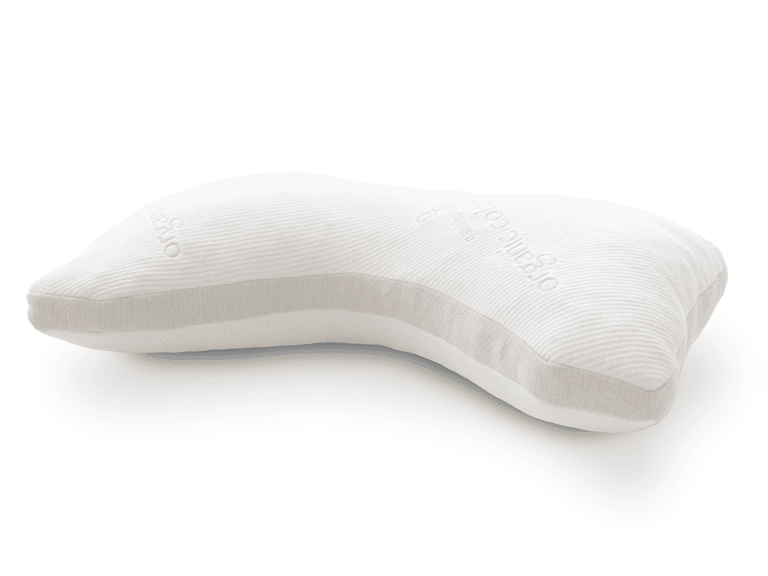
The Savvy Rest Shredded Latex Pillow features loose latex pieces that can be shifted to alter the pillow’s height and feel. This adjustability may help accommodate different sleep positions and personal support preferences. Resilient filling provides responsive cushioning, while space between the pieces can support airflow compared with a dense, solid pillow core.
When comparing latex pillows with other bedding, consider fill composition, cover materials, care instructions, and any allergy sensitivities. Latex characteristics vary by formulation and manufacturing method, so product details matter. Sheets and pillow covers also affect the sleep surface; breathable fabrics can complement the responsive feel of latex without changing the pillow’s internal support.
Latex is also used in organic mattresses and organic crib mattresses, although certifications, materials, and construction differ between products. Category information can help clarify how latex performs in pillows versus mattress layers, including its resilience and potential for ventilation. Reviewing specific product specifications supports informed decisions about bedding suited to individual comfort and household needs.
 Bedding