Furniture encompasses a broad range of silent functional pieces designed to support daily living, from seating and storage to sleeping surfaces. In this category, awareness of materials, construction methods, and ergonomic design helps consumers select durable, safe, and comfortable options. Understanding frame types, finishes, and ventilation contributes to a healthier indoor environment.
A well-chosen bed forms the centerpiece of restorative sleep environments. Key considerations include mattress compatibility, support level, and surface materials that influence comfort and longevity. Understanding bed geometry, slat spacing, and proper weight distribution informs decisions about stability and alignment, contributing to overall well-being and restful nights.
Organic mattresses and latex options prioritize material purity and breathable structuring. These choices often emphasize low VOC emissions, natural antimicrobial properties, and responsive support. For sleepers with allergies or sensitivities, inspecting cover fabrics, weave density, and core construction aids in selecting hypoallergenic, durable bedding foundations.
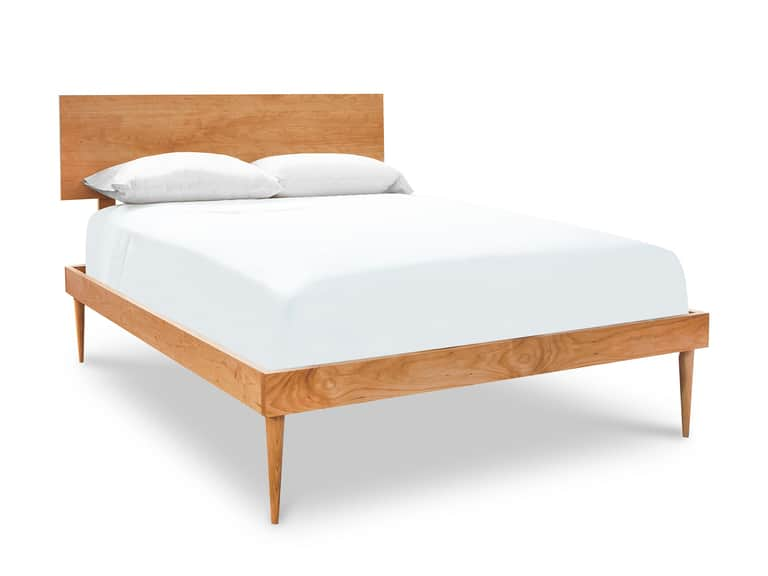
Within the broader furniture category, items such as the Larssen Bed illustrate how design integrates form and function. Features may include solid wood frames, reinforced joinery, and padded surfaces for comfort and durability. Functional benefits span improved posture, noise reduction, and extended product lifespan when properly maintained.
Beyond sleeping solutions, compatible accessories like pillows, sheets, and other bedding components complement the furniture ecosystem. Material choices—cotton, linen, or blends—affect temperature regulation, moisture management, and tactile experience. A balanced approach to materials and construction enhances usability, longevity, and overall room harmony.
 Furniture