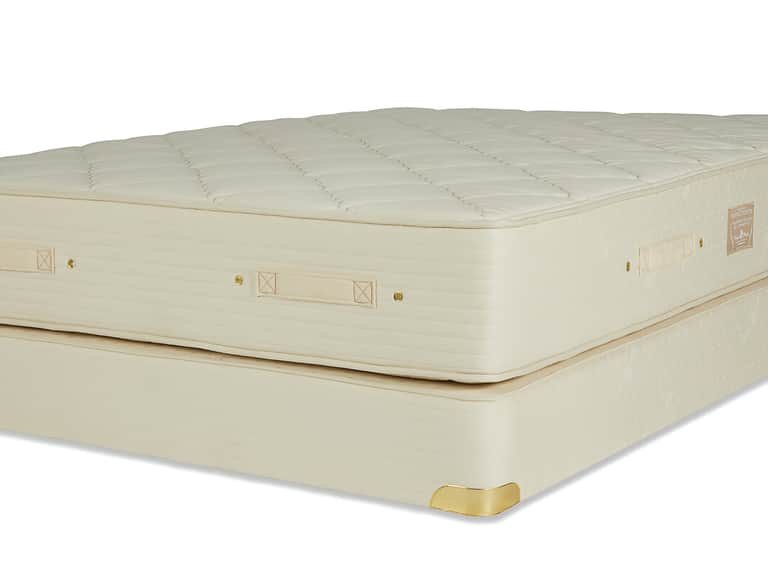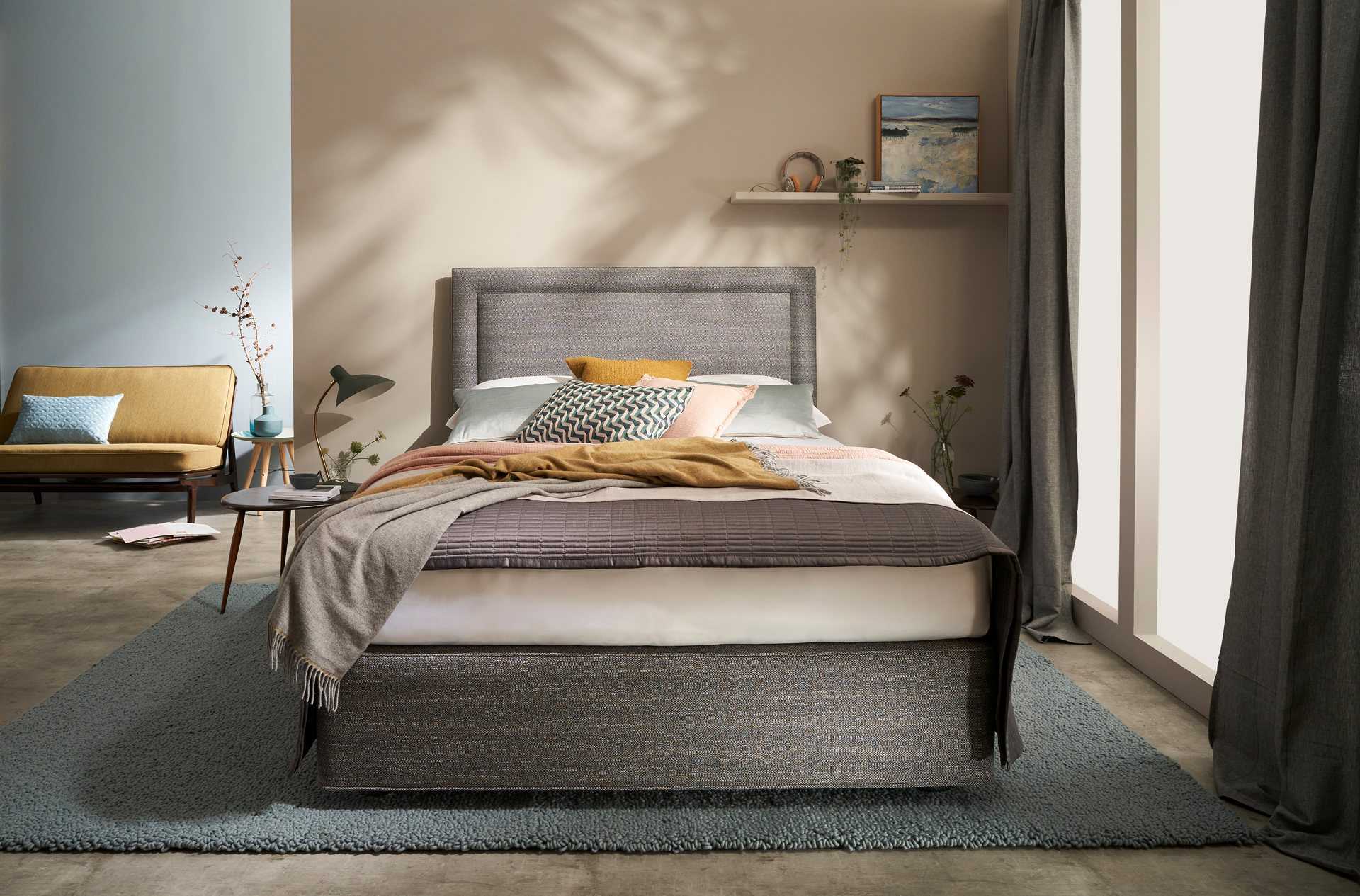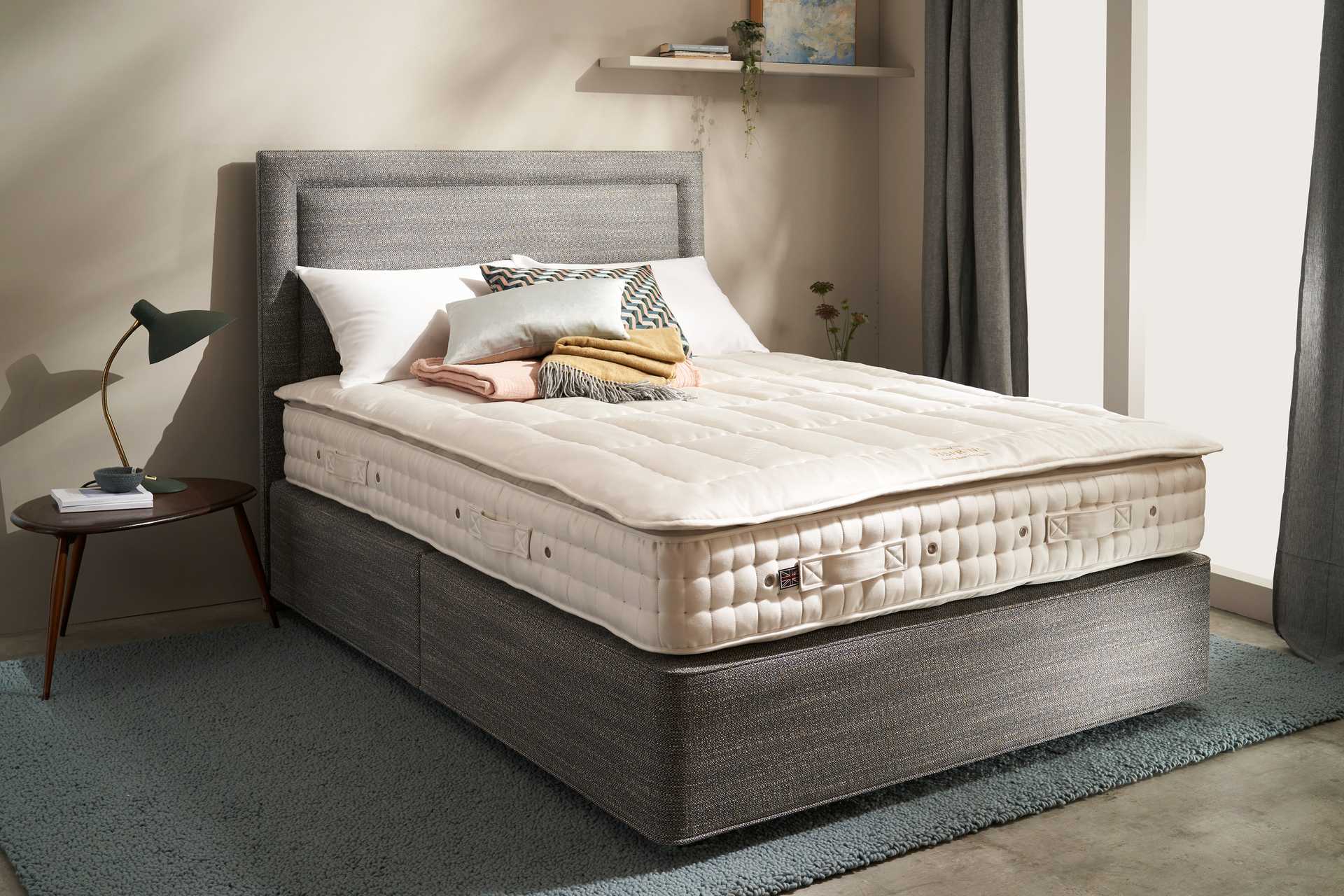
A considered guide to organic sleep surfaces
What to Consider When Choosing Naturepedic Organic Sleep Surfaces
A mattress is one of the most personal pieces in a home: out of sight beneath sheets and blankets, yet quietly shaping the feel of every night. For shoppers drawn to Naturepedic and other organic sleep surfaces, the most useful place to begin is not with a promise of perfect sleep, but with a close reading of materials, certifications, comfort, fit and care.
A practical, non-commercial guide for comparing sleep surfaces with clarity.
Look beyond the word “organic”
“Organic” can be an appealing word in a bedroom, where close contact with textiles and fillings makes material choices feel especially tangible. It can also mean different things depending on the component being discussed. A mattress may include organic fibres in its cover or quilting while using other materials in its support core. Another sleep surface may describe selected ingredients as organic without claiming that every component is. Neither description is automatically better; the important point is to understand exactly what is being described.
When reviewing a Naturepedic model or any organic mattress, start with the product’s complete materials list. Look for a breakdown that distinguishes the outer fabric, quilting, comfort layers, support system, adhesives, fire barrier and other components, where applicable. A concise overview is useful, but detail is more useful still. If a description says “organic cotton,” identify whether that refers to the cover, a layer of batting or a larger share of the mattress. If it refers to wool, latex or another material, check where it is used and what role it plays.
Material names alone do not tell the whole story. The same broad category can cover products with different origins, processing methods, densities or construction. A transparent description helps shoppers see those distinctions instead of having to infer them from a brand’s general language. If a detail matters to you and is not clearly stated, consult the manufacturer’s current specifications or ask for clarification before making a decision.
This is not a matter of treating every omission as a warning sign. Product pages vary in depth, and technical information may be presented separately. The practical habit is to separate what is explicitly documented from what is suggested by evocative phrases such as “natural,” “clean” or “consciously made.” Those words can communicate a design intention, but they are not, by themselves, a complete account of a product’s composition.
Read certifications as specific evidence
Certifications can make material claims easier to assess, but they are most informative when read precisely. A certification applies to a defined scope: a particular fibre, ingredient, facility, product or manufacturing process. It does not necessarily certify every part of a finished mattress, nor does one certification answer every question a shopper might have.
When a Naturepedic product description lists a certification, check what it covers and whether it applies to the specific model under consideration. Look for the name of the certifying programme, the material or process included, and any available certificate or verification details. A logo without context is less helpful than a statement that clearly explains the certified component. If a retailer’s summary is brief, the manufacturer’s documentation may offer a more complete account.
It helps to distinguish certification from broader claims. A third-party certification is a defined form of assessment under particular criteria. A phrase such as “made with organic materials” may be accurate, but it does not necessarily indicate that the complete mattress has been independently certified. Likewise, a certification addressing chemical emissions, textile production or a raw material should not be assumed to address unrelated matters such as long-term durability, comfort or environmental impact across the product’s full life cycle.
Instead of collecting labels as if more were always better, decide which questions matter most to your household. You may want to verify the source of a fibre, understand a material’s processing, or confirm a particular emissions standard. Then look for evidence that directly addresses that concern. This more focused approach makes comparisons calmer and prevents a long list of marks from obscuring what each one actually means.
- Confirm the certification’s name and the organisation responsible for it.
- Check whether the claim applies to a component or to the finished product.
- Look for a model-specific reference or current supporting documentation.
- Avoid assuming that one certification covers every material, performance or environmental question.
Translate materials into the feel you want
A materials list becomes meaningful when connected to how a surface feels in use. Organic status does not determine firmness, pressure relief, responsiveness or temperature comfort. Those qualities depend on the complete construction: the arrangement and thickness of layers, the support core, the cover and the interaction between them.
Think first about the sensation you prefer. Do you like a surface that feels gently cushioned, or one that feels more level and buoyant? Do you prefer to settle into the comfort layers, or to feel supported nearer the top? Neither preference is universal. What feels inviting during a brief showroom visit may feel different after several nights, so trial terms and return conditions can be relevant parts of the comparison.
Firmness labels are not a universal scale. A “medium” mattress from one maker may not feel identical to a “medium” model from another, and the same surface can feel different depending on body shape, weight distribution, bed base and bedding. Treat the label as a starting point rather than a verdict. If available, seek information about the intended feel, construction and any comfort options, then compare it with your own experience.
Material properties may help explain feel, but they should not be treated as guarantees. Latex, for example, is often discussed in terms of responsive support, while wool and cotton may be used in covers or comfort layers. The actual sensation depends on the product’s formulation, amount, placement and surrounding layers. A material’s reputation cannot substitute for the specifications of the particular sleep surface.
Consider temperature as well as pressure. Some sleepers prefer a surface with a drier, more open feel; others value a close, cushioned embrace. Room temperature, duvet weight, nightwear and personal variation also influence warmth. No material can promise a single ideal sleep climate for every person, so look for construction information and evaluate comfort in the context of your whole bed.
Match the mattress to sleeping position and household
Sleeping position is a useful clue, not a rigid rule. Side sleepers often pay attention to pressure around the shoulder and hip; back sleepers may focus on balanced support through the torso; stomach sleepers commonly consider whether the surface allows the body to remain comfortably supported. Combination sleepers may value ease of movement and a feel that works across several positions.
These are starting questions rather than prescriptions. Body proportions, mobility, personal comfort and any existing pain or health concerns can change what feels suitable. A mattress should not be expected to diagnose or treat a medical condition. If pain is persistent or disruptive, professional advice is more appropriate than relying on a product description.
For couples, the comparison has another layer: two people may have different preferences, weights, sleep schedules or sensitivities to movement. Consider whether both sleepers can test the surface, whether a split configuration is available, and how each person experiences movement across the bed. If one partner gets up frequently, the degree to which motion is noticeable may matter. Product specifications can inform this question, but a trial—where offered—can provide a more direct impression.
Children’s beds, guest rooms and changing household needs call for their own practical thinking. Consider the expected use, the bed frame, the room’s dimensions and how easy it will be to maintain the surface. For young children, follow applicable safety guidance and the manufacturer’s age-specific instructions rather than extrapolating from adult mattress recommendations.
Check dimensions, bed base and room logistics
Comfort begins with a mattress that fits the bed and the room. Swedish shoppers should verify the exact dimensions in centimetres instead of relying only on familiar size names. Similar labels can refer to different measurements across markets or manufacturers. Confirm width, length and height, including any topper or protective layer that will sit above the mattress.
Measure the bed frame’s interior, not just its exterior, and check the manufacturer’s guidance on compatible bases. Slats, platform beds, adjustable bases and other foundations may affect support, ventilation or warranty conditions. The space between slats and the structure of the base can matter; a mattress that fits the frame physically may not be suited to every type of foundation.
Also think through the route into the home. Stairwells, lifts, narrow corridors and doorways can make delivery more complicated than the bedroom dimensions suggest. Ask how the mattress is packaged, whether it arrives compressed or at full size, and what handling arrangements apply. Packaging and delivery methods vary, so do not assume that one brand’s process applies to another.
If the bed will be used with an adjustable frame, confirm compatibility for the exact model. A general statement about flexibility is not always enough to establish that a particular configuration is suitable. Confirm any limits on the base, mattress size or use, and retain the documentation so that installation and care remain consistent with the product guidance.
Understand care, protection and everyday life
A thoughtfully chosen sleep surface still needs practical care. Before buying, read the cleaning and maintenance instructions. Some mattresses allow spot-cleaning only; others may have removable covers with specific washing requirements. A cover that looks simple to remove may not be intended for routine laundering, so rely on the care label rather than guesswork.
Ask whether the mattress should be rotated, flipped or kept in a particular orientation. Designs differ, and turning a one-sided model over may be inappropriate. Follow the instructions for ventilation, handling and any settling period. If the product includes natural fibres, the manufacturer’s guidance can clarify what changes in feel or appearance are expected with use and how to care for them.
A fitted protector can help shield a mattress from spills, perspiration and everyday soil, but its fabric and construction can also change the feel of the sleep surface. Choose one that fits the mattress depth and does not interfere with the intended comfort. If breathability or a particular fibre is important, inspect the protector’s own materials and care details rather than assuming that the mattress’s attributes extend to the bedding above it.
In a Swedish home, seasonal changes can make room conditions especially noticeable. Ventilation, indoor humidity, bedding weight and the temperature of the bedroom all contribute to comfort. A mattress is one element of this environment, not a complete climate-control system. Simple habits—airing the bed as recommended, using bedding suited to the season and following the maker’s care guidance—can help maintain a comfortable setting without overstating what any one material can do.
Compare warranties, trial terms and total value
Warranty language deserves the same attention as material claims. Check the duration, what defects are covered, what counts as normal wear, and whether the warranty depends on a particular foundation or maintenance routine. Ask how a claim is submitted and what documentation is required. A long warranty is not a substitute for understanding its terms, and it does not necessarily promise that a mattress will feel unchanged for its entire duration.
Trial periods and return policies can be just as important, especially when comfort is difficult to judge in a shop. Confirm how long a trial lasts, when the clock begins, whether a minimum adjustment period applies, and what happens if the mattress is returned. Fees, collection arrangements, condition requirements and geographic limits can vary. Read the current terms for the seller and the specific model rather than relying on a general summary.
For international readers considering a product sold in Sweden, clarify the currency, delivery area, taxes, local service and applicable consumer terms. A product’s availability in one market does not necessarily mean that the same model, size range or after-sales arrangements are offered elsewhere. Regional details deserve confirmation before purchase.
Value is broader than the initial price. It includes the fit of the mattress to the sleeper, the expected lifespan, the quality of available information, delivery and setup, care requirements and the practical usefulness of the warranty. A lower-cost option may be the better choice for one household; another may reasonably prioritize a particular material or construction. A non-commercial comparison is strongest when it explains these trade-offs without implying that there is one correct answer.
A measured approach to sustainability claims
Many shoppers explore organic sleep surfaces because they want to make more considered material choices. It is worth separating that priority from broader environmental claims. Organic content can be one part of a product’s story, but it does not, on its own, establish the full environmental footprint of manufacturing, transport, packaging, use and disposal.
When sustainability is central to your decision, look for specific information: what materials are used, where they come from if disclosed, how the product is made, whether components can be repaired or separated, and what end-of-life options exist. Claims about reduced impact are more useful when they identify the comparison or method behind them. General language about being “green” or “eco-friendly” gives less basis for evaluating trade-offs.
Durability is also part of a practical sustainability conversation. A sleep surface that remains comfortable and serviceable for an appropriate period may reduce the need for frequent replacement, though lifespan varies with construction, use and care. Ask what the manufacturer says about maintenance and expected performance, while treating broad longevity promises with care. No single label can settle every question about responsible consumption.
A calm comparison checklist
Before making a decision, bring the most relevant details together in one place. A short checklist can make a comparison between Naturepedic models—or between different brands—more transparent and less vulnerable to polished but vague descriptions.
- Materials: What is used in the cover, comfort layers, support core and other listed components?
- Claims: Which descriptions are specific and verifiable, and which are broad brand language?
- Certifications: What does each one cover, and does it apply to the exact model?
- Comfort: How does the stated feel relate to your preferred firmness, position and movement?
- Fit: Do the dimensions match the frame, room and household’s needs?
- Compatibility: Is the mattress suitable for the existing foundation or adjustable base?
- Care: What cleaning, rotation, protection and ventilation instructions apply?
- Terms: What do the warranty, trial, delivery and return policies actually require?
- Evidence: Are the details current, model-specific and available from reliable documentation?
Recording answers in a simple comparison table can be more revealing than reading several product pages in succession. Use the same questions for every option, and mark unknown details as unknown rather than filling them in by assumption. If a specification is important but missing, ask the manufacturer or seller to confirm it in writing.
The essential distinction: promise versus proof
Choosing an organic sleep surface is ultimately an exercise in matching values with lived comfort. Naturepedic may enter a shopper’s consideration because of an interest in material transparency and organic options, but the name alone cannot answer whether a particular model is the right fit. That requires attention to the model’s actual construction, the scope of its certifications, the way it feels, and the practical terms that shape ownership.
Read patiently, compare like with like and let specific evidence carry more weight than an elegant adjective. A clear materials overview can help distinguish a verified claim from a general description; a careful comfort assessment can reveal whether the surface suits your body and habits; and a review of dimensions, care and warranty can prevent avoidable surprises. The result is not a promise of perfect sleep, but a more informed decision—one made with discernment, and with the quiet confidence that comes from knowing what is beneath the sheets.
Frequently asked questions
Does “organic mattress” mean the entire mattress is organic?
Not necessarily. The phrase may refer to particular materials or components. Review the complete materials breakdown and the scope of any certification to understand precisely what is covered.
Are certifications a guarantee that a mattress is right for me?
No. Certifications can provide evidence about defined materials or processes, depending on their scope. They do not establish personal comfort, suitability for every bed base or long-term performance for every household.
How should I choose firmness?
Use firmness descriptions as an initial guide, not a universal measurement. Consider your preferred feel, sleeping positions, body comfort and the opportunity to test the mattress under the seller’s stated trial terms.
What should Swedish shoppers verify before ordering?
Confirm dimensions in centimetres, foundation compatibility, delivery and return arrangements, warranty conditions, care instructions and the availability of the exact model in your market.